FOXG1 syndrome is a rare genetic neurodevelopmental disorder caused by pathogenic variants in the FOXG1 gene, one of the most critical genes involved in early brain development. Formalized in 2011 and first described in 2008, FOXG1 syndrome established the background for the research that followed[1]. This syndrome presents uniquely in every child, with a broad range of clinical features and severities. Because FOXG1 regulates brain development, more severely impacted children experience morphological changes to their brain, resulting in profound global cognitive and motor delays, which impact speech and mobility, impaired neurodevelopment, epilepsy, and gastrointestinal difficulties [2]. Children with milder forms of the disorder may exhibit only a subset of symptoms, often presenting with autism spectrum disorder (ASD). As a result, FOXG1 is recognized as an ASD candidate gene and has garnered significant attention as a molecular target in the study of ASD and related neurodevelopmental conditions.
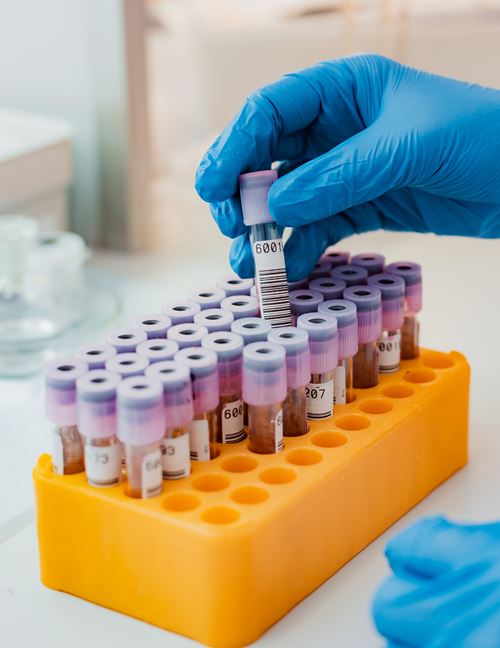
Researchers from Yale University, led by Dr. Flora Vaccarino, used organoids made from induced pluripotent stem cells to investigate differences in brain development in individuals with ASD and their families. Through RNA sequencing, the investigators uncovered numerous genetic targets, including FOXG1, that may be implicated in neurodevelopment and, ultimately, ASD. Using RNA inference technology, it was observed that dysregulation of FOXG1 is correlated with ASD-symptom severity and neurodevelopment, highlighting its role in development and as a precursor to ASD[3].
The Vaccarino lab at the Yale School of Medicine, alongside the multi-site PsychENCODE consortium, continues this work by utilizing iPSCs and functional genomics to better understand the molecular basis of development and neuropsychiatric disorders, including ASD, Tourette syndrome, Bipolar Disorder, and Schizophrenia. Together, these efforts extend the central thread from FOXG1 and ASD to broader neuropsychiatric research.
In 2025, Coriell was selected to manage the NIMH Repository and Genomics Resource, the nation's largest centralized repository for psychiatric research. This resource provides investigators with critical tools to advance understanding of the genetic and cellular basis of mental disorders and accelerate translational neuroscience. Partnering with the FOXG1 Research Foundation, Coriell also hosts a comprehensive Biobank containing patient-derived iPSCs and blood samples from individuals with FOXG1 syndrome and their family members. Together, these Coriell repositories provide invaluable resources to support current and future therapeutic endeavors and will be accessible to scientists worldwide, facilitating expanded research. All samples available to the research community are completely anonymized.
Established in 1972, the NIGMS Human Genetic Cell Repository at Coriell contains some of the most scientifically impactful and widely used cell lines globally, representing a broad spectrum of disease states, chromosomal abnormalities, and diverse human populations. Coriell also hosts five other NIH-funded biobanks, distributes thousands of samples each year, and provides research and biobanking services to scientists worldwide.
[1] Kortüm F, Das S, Flindt M, Morris-Rosendahl DJ, Stefanova I, Goldstein A, Horn D, Klopocki E, Kluger G, Martin P, Rauch A, Roumer A, Saitta S, Walsh LE, Wieczorek D, Uyanik G, Kutsche K, Dobyns WB. The core FOXG1 syndrome phenotype consists of postnatal microcephaly, severe mental retardation, absent language, dyskinesia, and corpus callosum hypogenesis. J Med Genet. 2011 Jun;48(6):396-406. doi: 10.1136/jmg.2010.087528. Epub 2011 Mar 25. PMID: 21441262; PMCID: PMC5522617.
[2] Foxg1 syndrome | Children’s Hospital of Philadelphia. (n.d.). https://www.chop.edu/conditions-diseases/foxg1-syndrome
[3] Mariani J, Coppola G, Zhang P ...
FOXG1-Dependent Dysregulation of GABA/Glutamate Neuron Differentiation in Autism Spectrum Disorders
Cell, 162, 375-390